


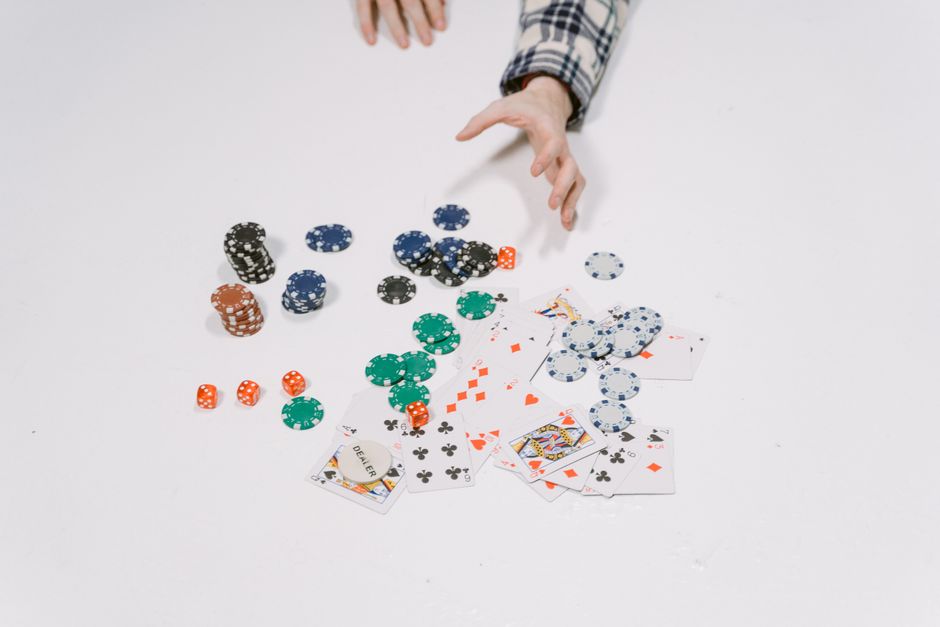
The first time I sat at a $2/$5 no-limit hold'em table in a cramped card room, I watched a guy lose his entire stack in less than ten minutes. Not because he got unlucky — he actually flopped top two pair. He lost because he couldn't fold. That single moment taught me more about gambling than any odds chart ever could. Whether you're spinning $1 slots, building a parlay on Sunday afternoon, or grinding micro-stakes online, the iGaming world rewards a very specific kind of intelligence. It isn't about hunches. It's about understanding math, psychology, and the brutal honesty of variance.
Why House Edge Matters More Than You Think
Every game in a casino or sportsbook carries a built-in advantage for the operator. That's not a scam — it's the business model. The question is how big that edge is and how long you expose yourself to it. Blackjack played with basic strategy can drop the house edge to around 0.5%. Slot machines typically run between 2% and 15% depending on the machine, though some progressive jackpots push higher. The house edge on a standard American roulette wheel with double zeros? 5.26%. That's not a small difference.
Here's the practical takeaway. If you cycle $1,000 through a game with a 5% house edge, your expected loss is $50 over the long run. Through a game with a 0.5% edge, it's $5. Over a single session, variance drowns out these numbers. Over hundreds of sessions, they become law. Variance is just the noise on top of an unavoidable trend, and the longer you play, the more naked that trend becomes. Readers looking for specifics may like สล็อตเว็บตรง.
Quick reference points that matter:
- Blackjack with perfect basic strategy: ~0.5% house edge
- Baccarat banker bet: ~1.06%
- European roulette: 2.7%
- American roulette: 5.26%
- Casino slots: usually 2% to 10% (variance varies wildly)
- Sportsbook straight bets: roughly 4% to 5% via the vig
- Video poker (Jacks or Better, perfect play): ~0.5%
That list should tell you something. Skill matters. Games where you can make decisions — blackjack, video poker, poker, betting markets — give you a fighting chance. Games that are pure luck — slots, keno, big-wheel spins — are entertainment products with a price tag attached.
The Myth of 'Due' Numbers and Hot Streaks
Roulette wheels don't remember the last twelve spins. Slot reels don't "warm up." A coin that lands heads ten times in a row is still 50/50 on the eleventh flip. This is the gambler's fallacy, and it's responsible for more lost bankrolls than bad luck ever will be.
Casinos love this cognitive blind spot. That's why you see screens above roulette tables showing the last twenty results. It looks like data. It feels actionable. It's actually decoration. The next spin is independent of everything that came before, unless you're a physics savant tracking wheel defects in a real brick-and-mortar casino — and even then, the modern machines are ruthlessly balanced.
Where patterns do matter: poker and sports betting. A poker player's tendencies repeat. A football team's defensive scheme leaks information. These aren't random events — they're human behaviors with predictable tells. That's the difference between games of luck and games of information.
Bankroll Management: The Only Skill That Never Fails
Ask any professional gambler what separates them from the weekend crowd, and they'll almost all say bankroll management. Here's a rough framework worth internalizing:
- Decide on a dedicated gambling bankroll. This is money you can genuinely afford to lose. Never your rent. Never your emergency fund.
- Set a session limit. Common approach: no more than 5% of your total bankroll in a single session.
- For poker cash games, keep 20 to 40 buy-ins for the stakes you're playing. For tournaments, 50 to 100 buy-ins.
- For sports betting, treat your bankroll as 100 units. Bet 1 to 3 units per play depending on confidence and edge.
- Track everything. Every bet, every session, every result. If you're not tracking, you're guessing.
- Walk away when you hit your loss limit. No exceptions. Chasing losses is the single fastest route to ruin.
Even a winning player can go broke without this discipline. Variance can hand you a twenty-buy-in downswing in poker without a single mistake. If that wipes you out, your skill never gets the chance to express itself.
Slots, Sports, and Poker: Three Different Animals
People lump all gambling together, but slots, sports betting, and poker couldn't be more different in how you should approach them.
Slots are pure entertainment. The RTP (return to player) is fixed, the outcomes are random, and no strategy changes anything. Your only real decisions are which machine to play and how much per spin. Look for RTPs of 96% or higher when the information is published, and always check whether the jackpot is funded by your bet (contributing to a lower overall RTP) or the operator's.
Sports betting rewards information and line shopping. The same game might be priced at -110 at one book and -105 at another. Over hundreds of bets, that difference is your entire profit margin. Sharp bettors treat their bankroll like an investment portfolio — small edges, consistent sizing, no emotional bets on their favorite team.
Poker is the only mainstream game where you're competing against other players rather than the house. The house takes a rake, but a skilled player can win consistently over thousands of hands. It's also the most psychologically demanding of the three. Tilt — playing emotionally after a bad beat — ruins more poker careers than variance ever has.
Final Thought: Gambling Is Not Investing
Here's the uncomfortable truth most iGaming content won't tell you. If your goal is to grow money reliably, gambling is a terrible vehicle. The math is against you in every game where the house has an edge, and even in poker, only a small minority of players are long-term winners. Treat casinos, sportsbooks, and poker rooms the way you'd treat a night out at a nice restaurant. You're paying for the experience. If you walk away with extra money, wonderful. If you don't, you paid for the entertainment.
The people who enjoy gambling the most over decades are the ones who refused to lie to themselves about what it actually is. It's a game. Respect the math, protect your bankroll, and never bet money you need for something else. That's not pessimism — that's the entire strategy in one sentence.


Leave a reply